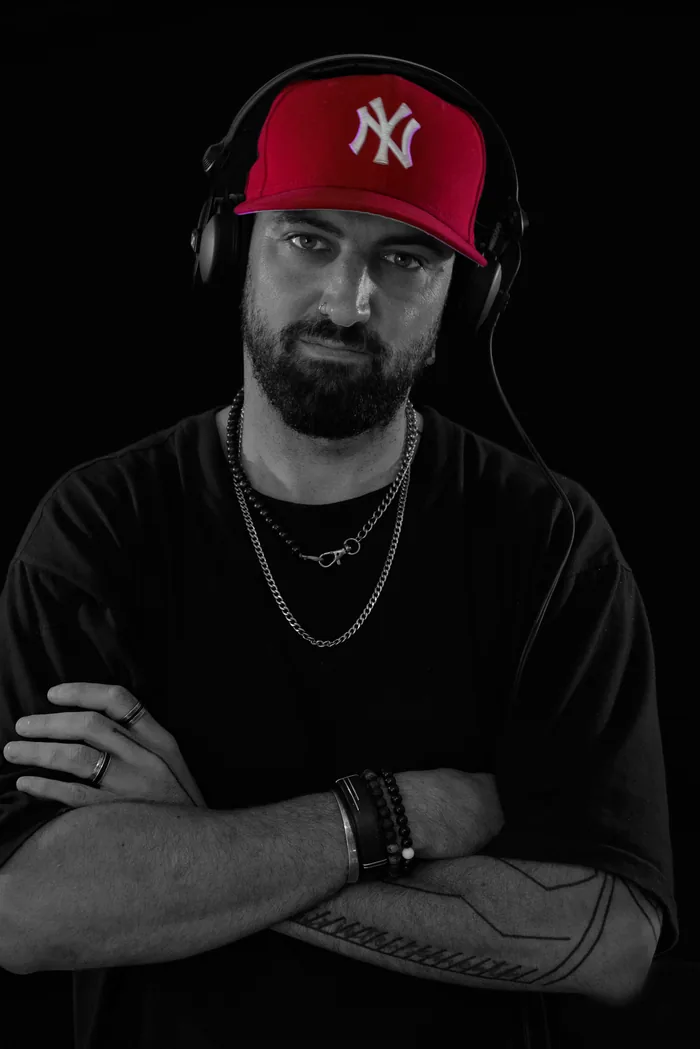
Engineering applied to a DJ’s music curation

The Perfect USB Method

Organize your music like a pro. Play with confidence.
Groove Engineer

In 38 seconds

What it’s about

The real problem

Playing well starts long before you step into the booth

While most DJ courses focus on producing music or handling the mixer, this method tackles the real challenge: preparing your music with judgment, order and confidence.

80% of a DJ’s real work happens outside the booth: curating, organizing, sorting and analyzing your music. That’s where it’s decided whether you’ll play freely or improvise blindly.

When you finish, you don’t just take home a reliable USB ready to play: you get a professional workflow that adapts to any set, venue or style.

Why it’s different

Four things you won’t find in any other course

01

The full picture

From defining your style to performing live.

02

Engineering rigor

Clear processes so you never lose a track.

03

Real flexibility

Adapt live and read the dance floor with confidence.

04

Hands-on material

Step-by-step exercises to apply from day one.

Syllabus

Six modules, two sessions

The whole journey, from defining your sound to having your USB ready for any stage.

Class 1 — From taste to judgment

You define your sound identity and build the library that represents it.

Connect with your style

You identify your influences, map genres and subgenres, and put into words what you want to convey. You leave with your sound palette defined and documented.

Collect music smartly

You set up a continuous search system that works for you all year round, and apply a curation filter to separate what you like from what you’ll actually play.

Downloading and sorting

The heart of the method: a sorting scheme by place in the set and by intensity that lets you pick the next track with precision, without relying on memory.

Class 2 — From the library to the booth

You prepare every track and leave your USB ready for any stage.

Key analysis

You work on harmonic compatibility between tracks so transitions stop being a gamble and you mix knowing what fits with what.

Rekordbox, beatgrid and hot cues

You prepare the metadata, fix the grid and mark the entry points. It’s what separates a mix that drifts from one that lands perfectly.

Export and backup

You lock the settings on the USB and set up a backup strategy so no technical failure leaves you without music half an hour before your set.

What’s included

What you get

  • 2 live video calls. One for the initial training and a follow-up to review your progress on your own music.
  • The full method document as a PDF, to check whenever you want.
  • Practical exercises between classes, reviewed in the follow-up session.

Who it’s for

It’s for you if…

  • You already play, but feel you get to the booth improvising with your music
  • You have hundreds of tracks and can’t find the one you need when you need it
  • You want your selection to sound like you, not like a generic playlist
  • You’re getting ready for your first gigs and want to arrive with everything sorted

What it isn’t

  • A music production course
  • A tutorial on how to mix or use the mixer
  • A generic pre-recorded course: these are live sessions on your own music
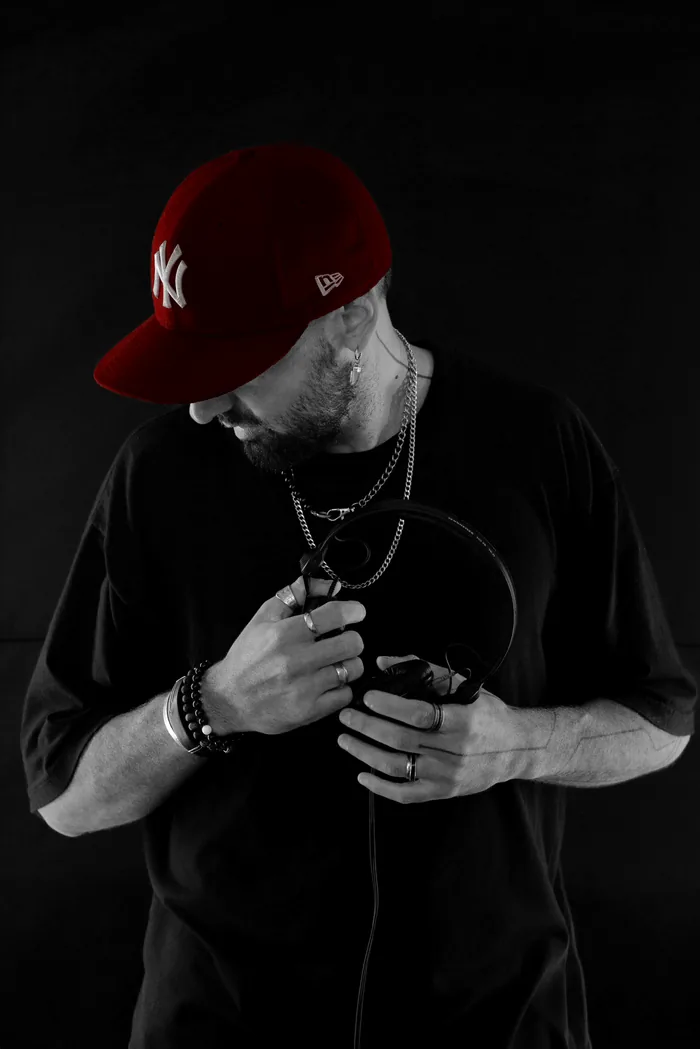
Alejandro García

Who teaches it

Alejandro García

Groove Engineer · Rosario

DJ, systems engineer and music lover. A student of musical meter and structure, he brings an analytical eye to every set. He has played many bars, parties and private events, and created the Perfect USB Method by blending his systems engineer mindset with his experience in the booth.

He already has students in different parts of the world.

FAQ

What people usually ask

Do I need to know how to mix to take the course?
No. This method covers everything that happens before the booth: how you choose, organize and prepare your music. If you already mix, you’ll notice the difference of arriving with your material sorted. If you’re just starting, it saves you years of mess.
Is it useful if I’m just starting?
Yes, and it’s probably the best moment. You’ll build the right habit from the beginning instead of having to reorganize a chaotic library later on.
I’ve been playing for years. Will it give me anything new?
Yes. Most experienced DJs have good music and an organization system that grew without a plan. The method puts that in order and gives it repeatable criteria, which is what lets you adapt live without hesitating.
Is it a music production course?
No. You won’t learn to produce tracks. The focus is on curating, organizing and preparing your music.
Does it work for my genre?
Yes. The method is built on energy and structure, not on a particular genre. It applies just the same to electronic music, a bar set or a laid-back event.
Do I need my own controller or CDJs?
You don’t need them to take the course. The work is done on your computer. If you have gear, even better, but it’s not a requirement.
What software do I need?
Tools you already use or that are free. In the first class we go over exactly which ones and how they fit into the workflow.
Are the classes recorded or live?
Live and one-on-one, by video call. It’s not a pre-recorded course: we work on your music and your specific questions.
When are the classes?
We schedule them together based on availability. Between the first and the second one we leave time for you to apply the exercises.
Do I keep any material afterwards?
Yes. You take home the full method document as a PDF, plus your own system already set up and working.
How do I pay?
You book your spot with a deposit that is deducted from the total, and you pay the rest before the first class. The deposit depends on the plan you choose. Prices are in Argentine pesos (ARS).
What’s the difference between the group and the one-on-one?
None in the content: the full method is covered with the same depth in both. What changes is the dynamic. In the group there are up to four people, each working with their own music, and the exercises are reviewed together, so you also learn from other people’s questions. In the one-on-one the whole session is about your library.
How many people are in the group?
Four at most. That number lets everyone bring their music and still have enough time to review it.
When does the group start?
When the group is full. You book your spot and I’ll let you know as soon as we’re ready; then we set the date together.
How long will it take me to apply it?
The system is set up once and then maintains itself as you use it. You take the first steps during the course; the rest becomes part of your normal music-digging routine.

Still have a question? Message me on WhatsApp.

Investment

Choose how to take it

The method is the same in both, with the same depth. What changes is the dynamic of the sessions.

Group

Up to 4 people

$120,000ARSfull course

  • The same method and the same depth as the one-on-one
  • Everyone works with their own music, not generic examples
  • Exercises are reviewed together: you also learn from other people’s questions
  • It starts once the group is full

Book with a $40,000 deposit, deducted from the total. The remaining $80,000 is due before the first class.

I want this one
Most popular

One-on-one

Just you and me

$180,000ARSfull course

  • The whole session is about your library
  • You move at your own pace, without waiting for anyone
  • You set the day and time directly with me
  • You start whenever you want

Book with a $60,000 deposit, deducted from the total. The remaining $120,000 is due before the first class.

I want this one

Prices are in Argentine pesos (ARS). Classes are held by video call, so you can take the course from any country.

Spots are limited because each training is built around the student’s own music.

Step 1 of 3

Sign up

Leave your details and I’ll tell you the next steps. No commitment.

Your details are only used to contact you about this training. They aren’t shared with anyone and you won’t get third-party advertising.